
The Pratt & Whitney inspection issue: The case for advanced optimization tools
The global aviation industry operates on a foundation of precision, reliability, and tightly coordinated schedules. When a systemic technical issue arises—particularly one affecting a widely deployed engine type—the operational and financial consequences can be significant and long-lasting. The Pratt & Whitney Geared Turbofan (GTF) inspection issue is one such event, introducing sustained disruption for airlines worldwide.
In response to identified manufacturing quality defects in certain life-limited engine components, aviation authorities issued airworthiness directives mandating accelerated and repeated inspections to detect potential microscopic cracking in affected high-pressure turbine and compressor disks. While these directives do not constitute a permanent grounding, the scale, duration, and maintenance burden of the inspection program have materially reduced aircraft availability, placing extraordinary strain on airline maintenance planning, fleet utilization, and network reliability.
This article examines the operational and financial impacts of the GTF inspection program and explores how advanced optimization and analytics tools can help airlines mitigate the effects of large-scale, unplanned technical disruptions
Understanding the Pratt & Whitney GTF inspection issue
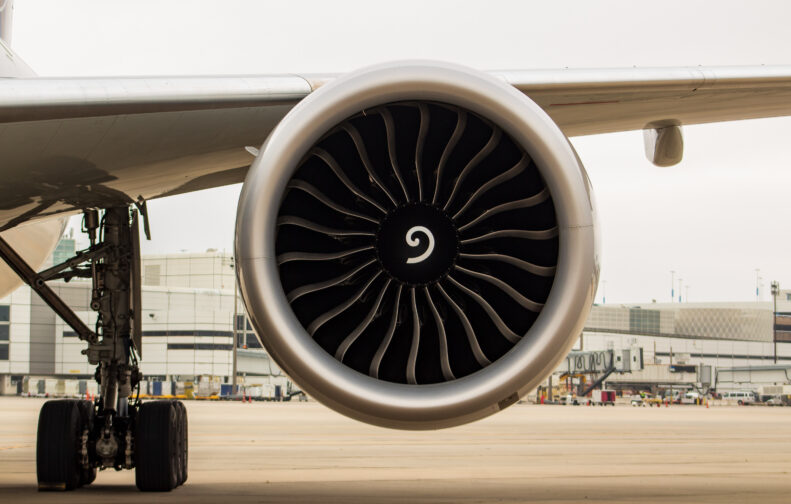
The Pratt & Whitney Geared Turbofan (GTF) engine family was designed to deliver significant improvements in fuel efficiency and noise reduction and powers much of the Airbus A320neo family. However, since entering widespread service, the GTF has experienced broader durability challenges, particularly in hot, sandy, and otherwise harsh operating environments, where some high-pressure turbine blades and related hot-section components have exhibited faster-than-expected wear and distress.
In addition to these in-service durability concerns, Pratt & Whitney disclosed in 2023 a manufacturing quality issue involving powdered metal contamination in certain life-limited rotating components, including high-pressure turbine and compressor disks produced over a defined period. Because this defect can reduce fatigue life and increase the risk of crack formation and disk failure, aviation authorities issued airworthiness directives requiring accelerated and repeated inspections of affected engines.
Many of these inspections require engine removals and shop visits, which are time-consuming and constrained by limited global MRO capacity and spare engine availability. While aircraft are not permanently grounded, the combined effect of durability-driven removals and mandatory inspection cycles has materially reduced fleet availability across the global A320neo operator base, driving widespread airline disruption and imposing multi-billion-dollar costs on operators.
How can airlines ease the management of engine removals and shop visits?
While large-scale events like the GTF inspection issue are difficult to predict, airlines can arm themselves with tools that help mitigate the operational impact. Traditional manual planning methods fall short when disruptions of this magnitude strike. Advanced algorithmic solutions are ideal for managing the complexities and nuances of fleet-wide maintenance events.
Jeppesen Tail Assignment is an optimization tool engineered to address these exact challenges. It provides airlines with the capability to manage complex maintenance and operational constraints with computational precision.
When an unplanned event occurs, such as a directive to ground multiple aircraft, Tail Assignment’s optimization engine recalculates the entire fleet schedule. It evaluates millions of potential tail assignment combinations to identify the recovery strategy that minimizes disruptions, optimizes fuel consumption and protects revenue. The system can strategically reassign the remaining active aircraft to cover high-priority routes and syncs with other operational systems in real -time, minimizing the number of cancellations and mitigating the financial impact.
Furthermore, by integrating with maintenance planning systems, Tail Assignment offers a forward-looking view of fleet health. It incorporates data on engine cycles, flight hours, and scheduled maintenance to create an optimized long-term plan. This allows planners to proactively and confidently schedule downtime, turning potential unplanned disruptions into managed events and ensuring that the operational impact is minimized. In a scenario where fleet availability is constrained, maximizing the utilization of every airworthy asset is paramount for operational resilience.
Key takeaways
The Pratt & Whitney GTF inspection issue has served as a critical reminder of the aviation industry’s vulnerability to systemic technical issues. The event has resulted in significant financial losses and operational chaos for numerous airlines.
- Systemic disruption: Fleet-wide technical directives can ground a significant percentage of an airline’s capacity, severely impacting network integrity and profitability.
- Compounding financial impact: The costs are not limited to repairs but include lost revenue, expensive leasing arrangements, and passenger compensation, creating a substantial financial burden.
- The necessity of optimization: In the face of such challenges, advanced fleet management tools like Jeppesen Tail Assignment are indispensable. They provide the computational power to optimize recovery strategies, protect revenue, and enhance the operational resilience required to navigate modern aviation’s complex landscape.
Take Control of Disruptions
The Pratt & Whitney GTF inspection issue highlights the critical need for powerful recovery tools. Manual planning can’t keep up when facing large-scale, unplanned maintenance events. Don’t wait for the next disruption to test your airline’s resilience. See firsthand how Jeppesen Tail Assignment transforms complex recovery scenarios into manageable, optimized solutions.
The global aviation industry operates on a foundation of precision, reliability, and tightly coordinated schedules. When a systemic technical issue arises—particularly one affecting a widely deployed engine type—the operational and financial consequences can be significant and long-lasting. The Pratt & Whitney Geared Turbofan (GTF) inspection issue is one such event, introducing sustained disruption for airlines worldwide.
In response to identified manufacturing quality defects in certain life-limited engine components, aviation authorities issued airworthiness directives mandating accelerated and repeated inspections to detect potential microscopic cracking in affected high-pressure turbine and compressor disks. While these directives do not constitute a permanent grounding, the scale, duration, and maintenance burden of the inspection program have materially reduced aircraft availability, placing extraordinary strain on airline maintenance planning, fleet utilization, and network reliability.
This article examines the operational and financial impacts of the GTF inspection program and explores how advanced optimization and analytics tools can help airlines mitigate the effects of large-scale, unplanned technical disruptions
Understanding the Pratt & Whitney GTF inspection issue
The Pratt & Whitney Geared Turbofan (GTF) engine family was designed to deliver significant improvements in fuel efficiency and noise reduction and powers much of the Airbus A320neo family. However, since entering widespread service, the GTF has experienced broader durability challenges, particularly in hot, sandy, and otherwise harsh operating environments, where some high-pressure turbine blades and related hot-section components have exhibited faster-than-expected wear and distress.
In addition to these in-service durability concerns, Pratt & Whitney disclosed in 2023 a manufacturing quality issue involving powdered metal contamination in certain life-limited rotating components, including high-pressure turbine and compressor disks produced over a defined period. Because this defect can reduce fatigue life and increase the risk of crack formation and disk failure, aviation authorities issued airworthiness directives requiring accelerated and repeated inspections of affected engines.
Many of these inspections require engine removals and shop visits, which are time-consuming and constrained by limited global MRO capacity and spare engine availability. While aircraft are not permanently grounded, the combined effect of durability-driven removals and mandatory inspection cycles has materially reduced fleet availability across the global A320neo operator base, driving widespread airline disruption and imposing multi-billion-dollar costs on operators.
How can airlines ease the management of engine removals and shop visits?
While large-scale events like the GTF inspection issue are difficult to predict, airlines can arm themselves with tools that help mitigate the operational impact. Traditional manual planning methods fall short when disruptions of this magnitude strike. Advanced algorithmic solutions are ideal for managing the complexities and nuances of fleet-wide maintenance events.
Jeppesen Tail Assignment is an optimization tool engineered to address these exact challenges. It provides airlines with the capability to manage complex maintenance and operational constraints with computational precision.
When an unplanned event occurs, such as a directive to ground multiple aircraft, Tail Assignment’s optimization engine recalculates the entire fleet schedule. It evaluates millions of potential tail assignment combinations to identify the recovery strategy that minimizes disruptions, optimizes fuel consumption and protects revenue. The system can strategically reassign the remaining active aircraft to cover high-priority routes and syncs with other operational systems in real -time, minimizing the number of cancellations and mitigating the financial impact.
Furthermore, by integrating with maintenance planning systems, Tail Assignment offers a forward-looking view of fleet health. It incorporates data on engine cycles, flight hours, and scheduled maintenance to create an optimized long-term plan. This allows planners to proactively and confidently schedule downtime, turning potential unplanned disruptions into managed events and ensuring that the operational impact is minimized. In a scenario where fleet availability is constrained, maximizing the utilization of every airworthy asset is paramount for operational resilience.
Key takeaways
The Pratt & Whitney GTF inspection issue has served as a critical reminder of the aviation industry’s vulnerability to systemic technical issues. The event has resulted in significant financial losses and operational chaos for numerous airlines.
- Systemic disruption: Fleet-wide technical directives can ground a significant percentage of an airline’s capacity, severely impacting network integrity and profitability.
- Compounding financial impact: The costs are not limited to repairs but include lost revenue, expensive leasing arrangements, and passenger compensation, creating a substantial financial burden.
- The necessity of optimization: In the face of such challenges, advanced fleet management tools like Jeppesen Tail Assignment are indispensable. They provide the computational power to optimize recovery strategies, protect revenue, and enhance the operational resilience required to navigate modern aviation’s complex landscape.
Take Control of Disruptions
The Pratt & Whitney GTF inspection issue highlights the critical need for powerful recovery tools. Manual planning can’t keep up when facing large-scale, unplanned maintenance events. Don’t wait for the next disruption to test your airline’s resilience. See firsthand how Jeppesen Tail Assignment transforms complex recovery scenarios into manageable, optimized solutions.